
Skip to content
PWMPClean Environment · Better Future
Project P510198 · Lao PDR · 2025–2031

Lao PDR Pollution and Waste Management Project

Strengthening the management of waste, plastics and pollution, and upgrading municipal solid waste services in Vientiane Capital as a model for other Lao cities.1

Financed byWorld Bank Implemented byMinistry of Public Works and Transport  Environment Protection Fund
US$37.85M World Bank financing1
645,000 Vientiane residents benefiting directly1
264 waste pickers gaining training and better working conditions1
6 years of implementation, 2025–203114

Photo: Benh LIEU SONG · CC BY-SA 4.0 · Wikimedia Commons · cropped

Explore

Swipe for more
The problem

Why this project is needed

Rapid urbanisation, inadequate infrastructure and weak disposal systems have intensified environmental and public health pressures in recent years.4

6,900 tonnes/day

Household waste nationwide

Vientiane Capital accounts for about 15% of the total.6

< 50%

Access to collection services

Still below half nationwide; large volumes end up at unauthorised dumping sites.65

2×

Household waste has doubled

Over the past 20 years — and much of it is not properly disposed of.7

≈ ¼

Is plastic

Almost a quarter of the waste found in Lao cities is plastic.7

95%

Comes from ten items

Of plastic pollution in six Lao cities comes from just ten single-use items.7

≈ 10,000

Deaths a year

Linked to environmental health factors; almost half to air pollution, to which burning plastic and household waste is a major contributor.7

14.6%

Of GDP a year

Health cost of air and water pollution, poor sanitation and lead exposure (2017 estimate).1

⚠

Informal waste workers

Work without protection, face constant risk of injury and fall outside social protection.8

Regular waste collection in Vientiane Capital

Share of residents with regular collection services

44% Today4
~70% With the project4
100% Goal1
History

How the project came about

13 June 2025 30 September 20312
Today

22% of the project period has elapsed · Shows time, not progress of work

  1. The “Get CLEAN and GREEN” report

    A World Bank study shows plastic waste affecting fish catches, blocking drains, causing air pollution and harming tourism destinations.7

  2. The “Unseen Green Jobs” study

    Studies informal waste workers in Vientiane and recommends training, protective equipment and access to welfare.8

  3. World Bank approves the project

    US$37.85 million: an IDA credit and a PROBLUE grant.12

  4. Official launch

    By the Department of Housing and Urban Planning (MPWT) with the Vientiane City Office for Management and Service, the Ministry of Agriculture and Environment and the World Bank.45

  5. Work plan and budget

    A joint World Bank mission follows to finalise the project’s work plan and budget.4

  6. Planned closing date

    End of the six-year implementation period.2
Why it matters

More than collecting rubbish

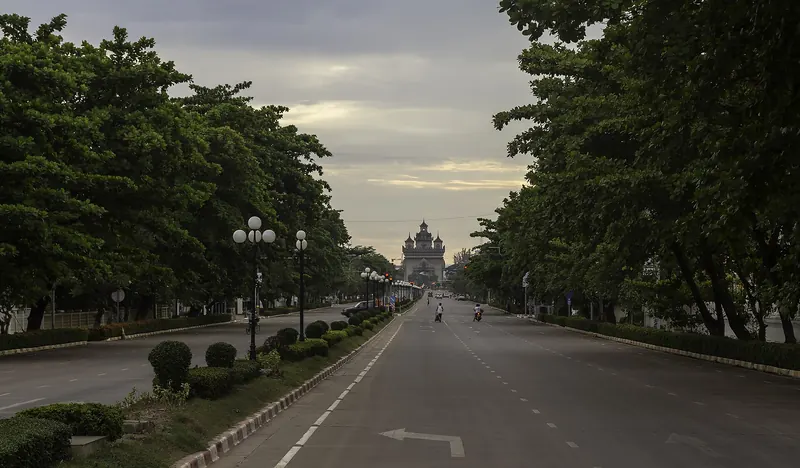
Avenue Lane Xang and Patuxai
Stefan Fussan · CC BY-SA 3.0

National Green Growth Strategy to 2030

Part of a resilient, inclusive and sustainable growth strategy that boosts jobs and incomes, reduces poverty and lowers the cost of growth to health and nature.3
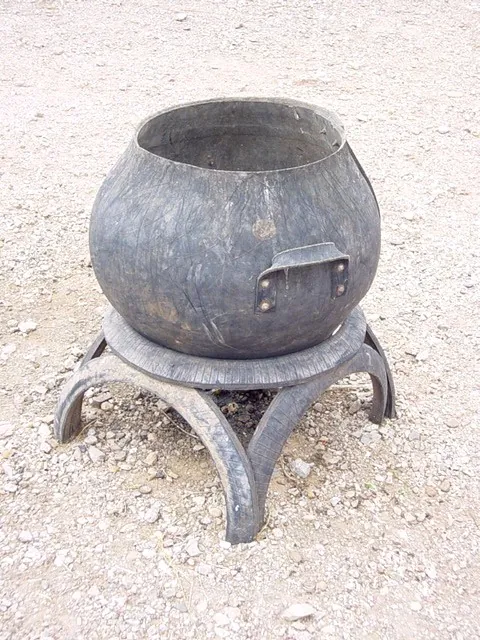
A rubbish bin made from old tyres, Thakhek
Chaoborus · CC BY-SA 3.0

National Plastics Action Plan

Backs the reduction of single-use plastics and more recycling; part of the Southeast Asia Regional Program on Combating Marine Plastics, a joint initiative with ASEAN.1
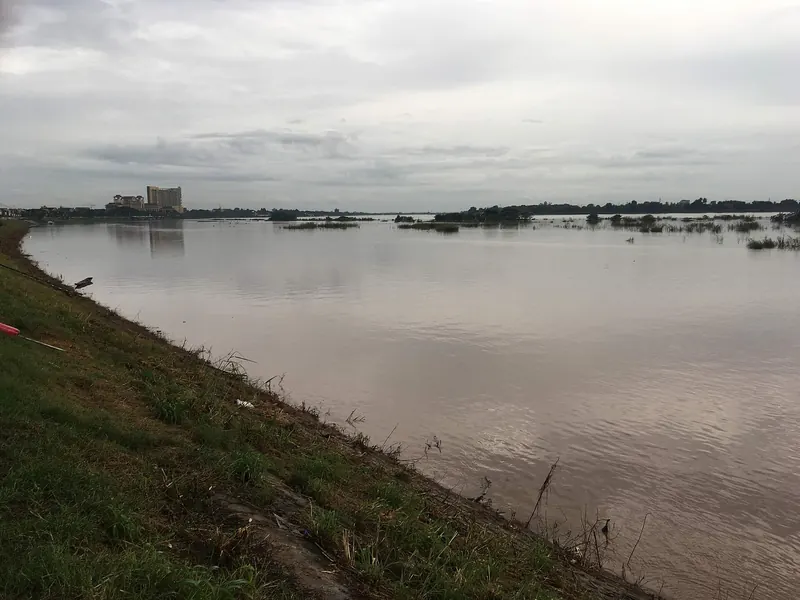
The Mekong at Vientiane
Christophe95 · CC BY-SA 4.0

Protecting the Mekong

Helps reduce the amount of waste that flows down the Mekong River to the ocean.1
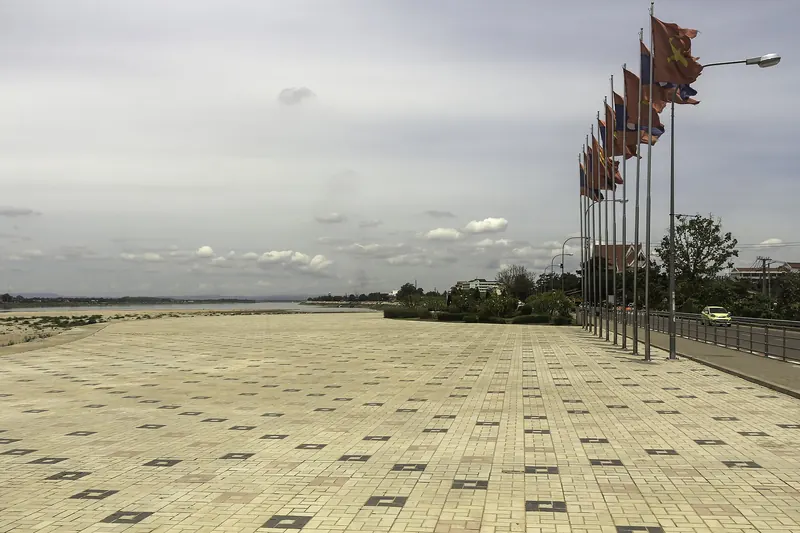
Mekong Riverfront, Vientiane
Stefan Fussan · CC BY-SA 3.0

Vientiane as a model

The capital is the country’s largest waste generator; what works here will be a model for other cities across Laos.1

In their words

“This project will help the government address these issues and will also contribute to efforts to reduce the amount of waste that flows down the Mekong River to the ocean.”

Alex Kremer World Bank Manager for the Lao PDR1

The project will lay the foundation for long-term, technology-based waste management and become a model for strengthening waste and pollution management.

Mr Detsongkham Thammavong Deputy Minister of Public Works and Transport4 Reported speech, as published

Pollution and waste management are not only environmental concerns but also economic and public health priorities that affect every family.

Jay Heimbach World Bank Vice President for External and Corporate Relations4 Reported speech, as published
What it does

What the project invests in

Monitoring & enforcement

Stronger monitoring and enforcement of pollution control.3

  • A monitoring system to help the government enforce pollution control regulations
  • More accurate, reliable air and water quality monitoring stations
  • A stronger legal framework for waste management
Benefits

Who benefits

645,000 residents

About 70% of Vientiane’s population gain systematic, reliable and efficient waste collection.45

264 waste pickers

At the Vientiane landfill gain better working conditions, training and employment opportunities.1

Health & environment

Better waste management protects the health of people and the environment.3

Jobs & the economy

Helps create jobs and improve the economy.3

Material recovery

Maximising material recovery along with financial and operational efficiency.1

A cleaner Mekong

Less waste and plastic flowing into the river and the sea.1
Financing

Financing and implementation

Total US$37.85M 21
  • IDA credit · US$34.50M (91.1%) International Development Association — low-interest credit
  • PROBLUE grant · US$3.35M (8.9%) A multi-donor trust fund that helps countries adopt a blue economy
Borrower
Lao PDR2
Implementing agencies
Environment Protection Fund; Ministry of Public Works and Transport21
Approved
13 June 20252
Closing
30 September 20312
Videos

See the story

9:22

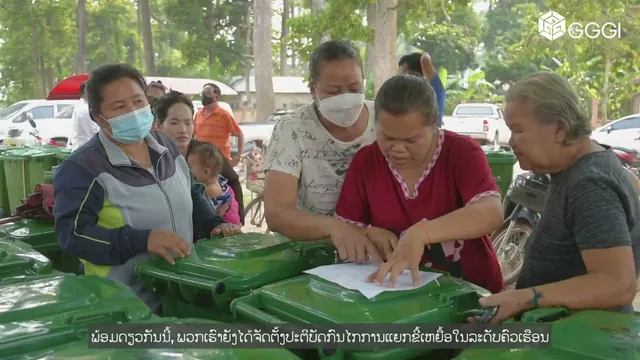
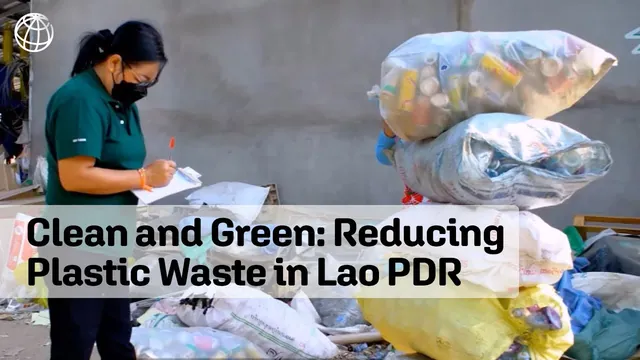
Waste-to-Resources Initiatives in Vientiane

A GGGI video on community waste separation — background, not an activity of this project.10

The MIS

The project’s management information system

A digital tool for the project management unit and its partners to plan, monitor, evaluate and report — for authorised users only.
Sign in to the MIS
  • Work plan & Gantt
  • Progress & indicators
  • Procurement & contracts
  • Documents
  • Risks
  • Reports & analysis
  • Mobile & offline
  • Lao – English
Location

Project office

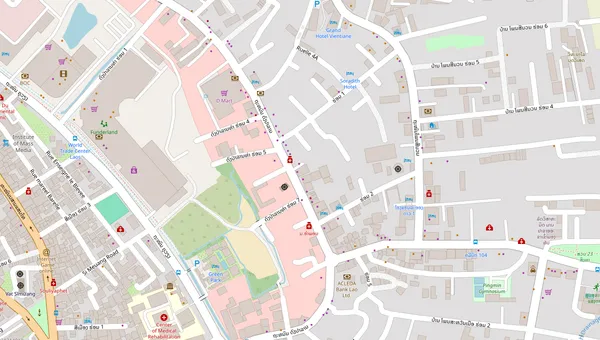
Public Works and Transport Institute — Dongpalan Road, Sisattanak District, Vientiane Capital, Lao PDR © OpenStreetMap contributors

Public Works and Transport Institute

Dongpalan Road, Sisattanak District, Vientiane Capital, Lao PDR1112

Coordinates17.96032, 102.62310
Sources

Sources and references

Every figure and statement on this page comes from the public sources below. Tap a [n] marker to see its source.

  1. 1
    World Bank · Press release · 16 June 2025 World Bank Backs Lao Efforts to Manage Waste, Plastics, and Pollution
  2. 2
    World Bank · Projects & Operations · accessed 9 October 2026 Lao PDR Pollution and Waste Management Project (P510198)
  3. 3
    World Bank · Brief · 23 February 2026 Lao PDR Pollution and Waste Management Project
  4. 4
  5. 5
  6. 6
    KPL — Lao News Agency · News · 24 February 2026 Waste Generation Rises as Collection Coverage Remains Below 50 Percent Nationwide
  7. 7
  8. 8
    World Bank · Press release · 14 June 2024 Unseen Green Jobs, a Study on Informal Waste Workers
  9. 9
  10. 10
    Global Green Growth Institute (YouTube) · Video · 29 June 2023 GGGI Lao PDR - Waste-to-Resources Initiatives in Vientiane
  11. 11
  12. 12
    OpenStreetMap contributors (ODbL) · Map tiles and address · accessed 9 October 2026 OpenStreetMap — Dongpalan Road, Sisattanak District, Vientiane Capital

Photographs

Illustrative photographs of Vientiane, not project sites.

This page shows only information that has already been published. Internal operational data is available only in the MIS, to authorised users. Last checked against sources on 9 October 2026